
Lived Catholicism Online Conference: 2-3 December 2025
The Church’s ordinary way
Synodality: possibilities and tensions
The first two Lived Catholicism conferences opened up some of the pressing questions for the Catholic Church today: how to manage the tension between innovation and tradition; how to take seriously prophetic and paradoxical voices from the edges of our community; and how to make visible the complexities of power and powerlessness at all levels.
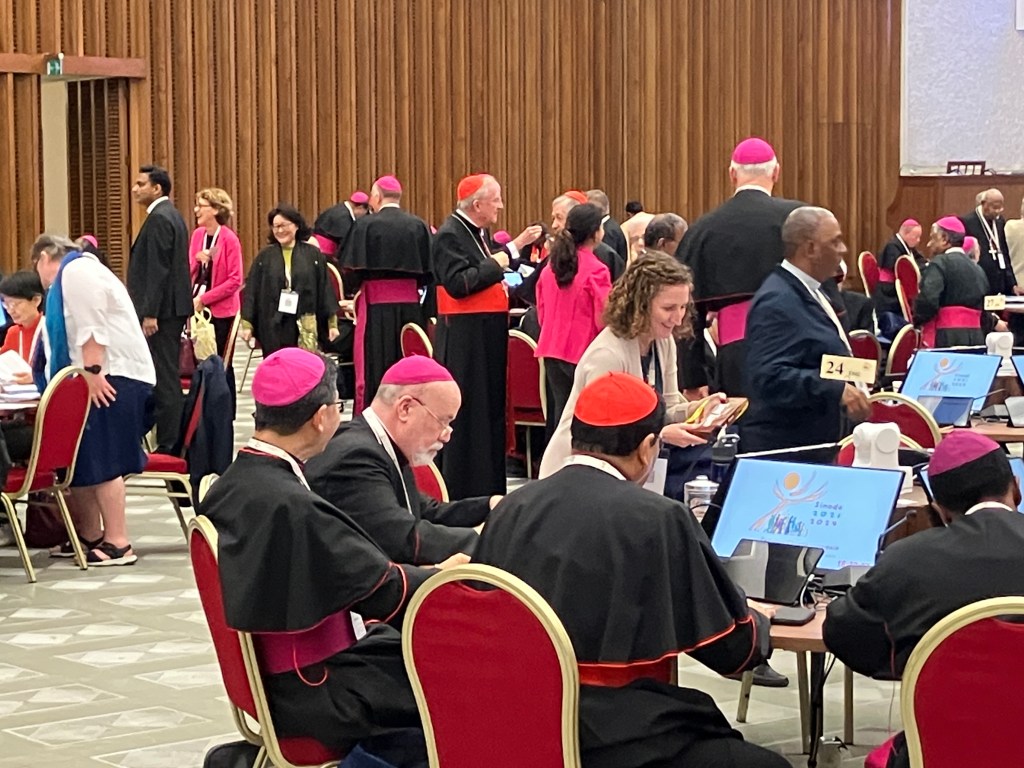
Many of these questions are now being raised by the synod process as we move into the implementation phase. If synodality is to be the ‘ordinary way’ of the Church (Preparatory Document 11), it is important to recognise these tensions as communities seek to address disconnects between the vision of a synodal church and the lived reality. At the same time, listening, ecclesial discernment, outreach to the margins, and synodal leadership are already present in Catholic communities around the world.

Taking place across two days, the conference will bring together scholars of theology, ecclesiology, ethnography, anthropology, organisational studies, cultural studies, history of Catholicism as well as practitioners in the field to explore the diversity of synodality as it is unfolding.
Speakers
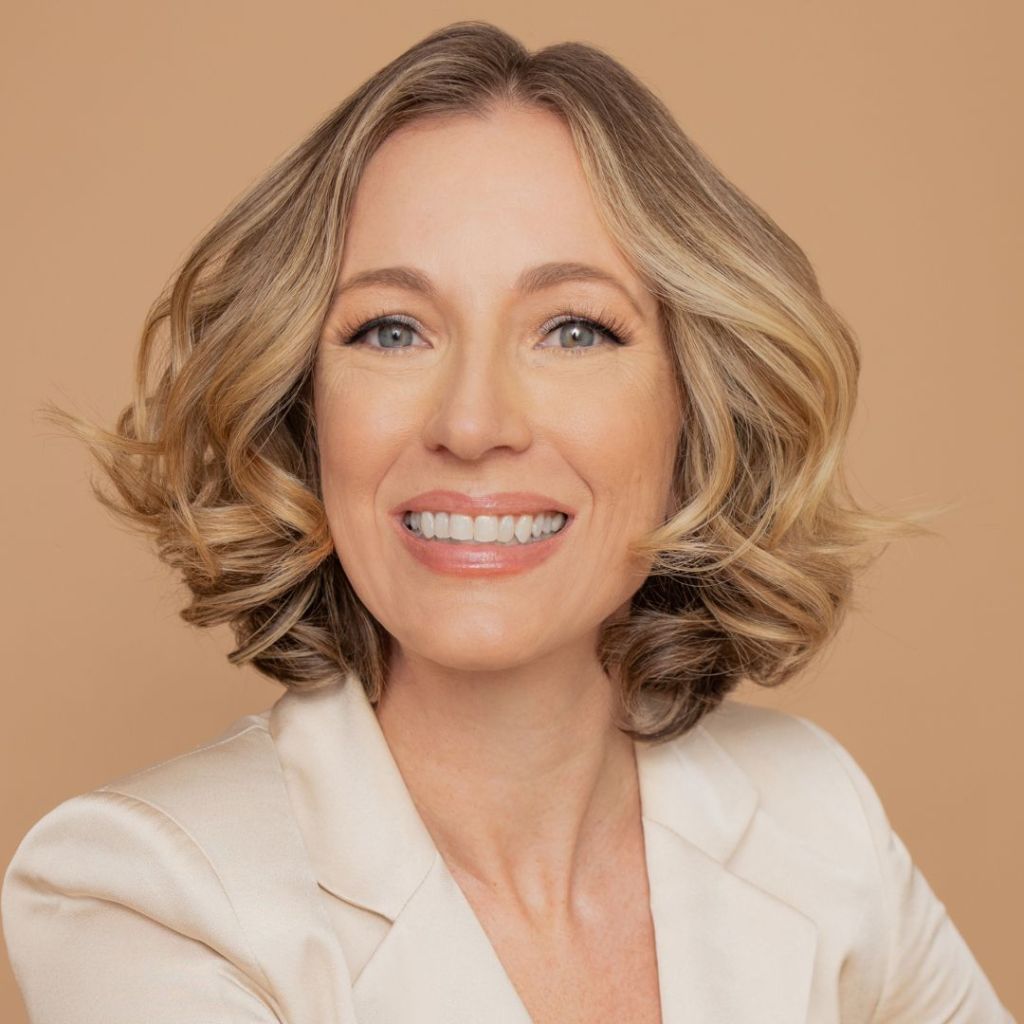
Tricia Bruce
Tricia is a sociologist, researcher, and author of several non-fiction books and high-impact research reports. She holds expertise in religion (specializing in U.S. Catholicism) and social change (attentive to attitudes, organizations, and generational change). She was a consultant to the Secretariat of the Synod.
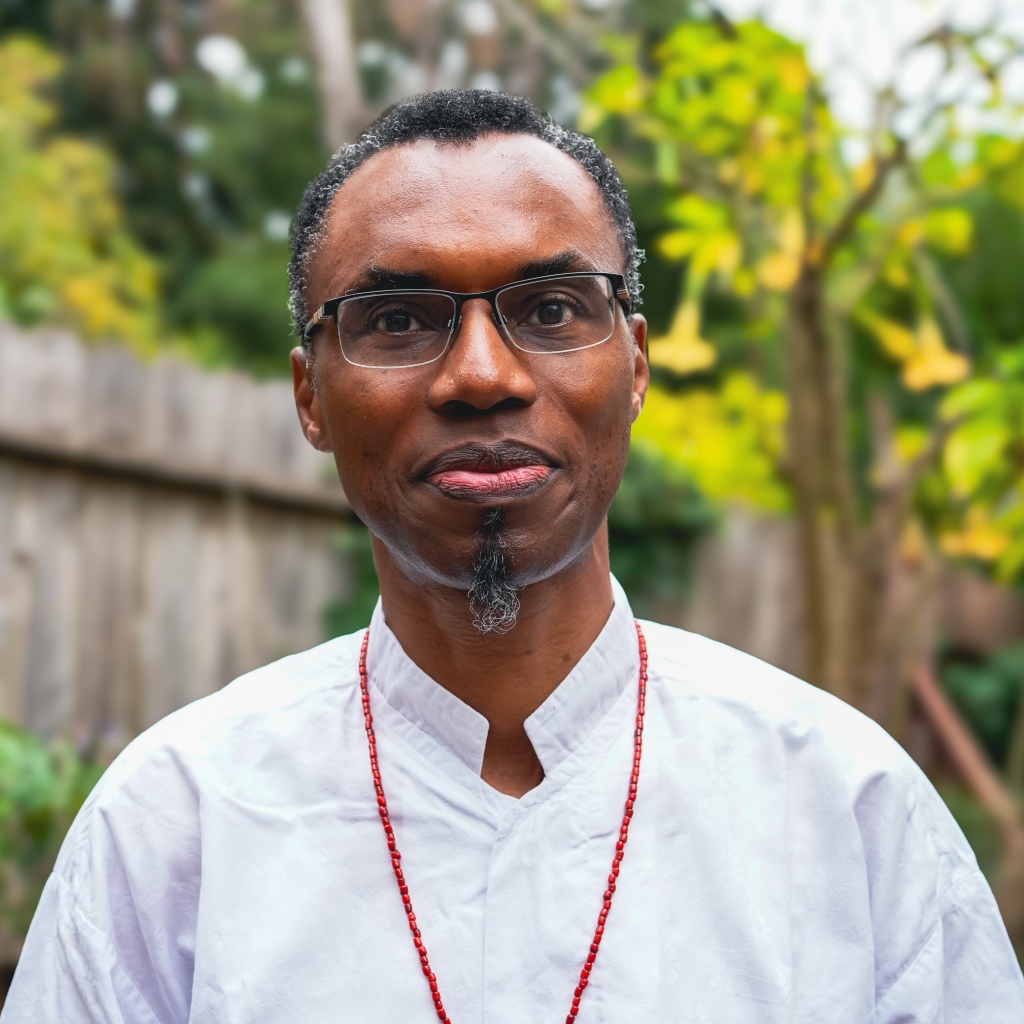
Agbonkhianmeghe E. Orobator SJ
Ecclesiologist and theologian, Orobator is the first African Dean of the Jesuit School of Theology at Santa Clara University in California, having previously served as the provincial superior of the Jesuits of the Eastern Africa Province. He was a voting member of the Rome Synod Assembly, and is the winner of an ecumenical peace prize for his work in South Sudan.
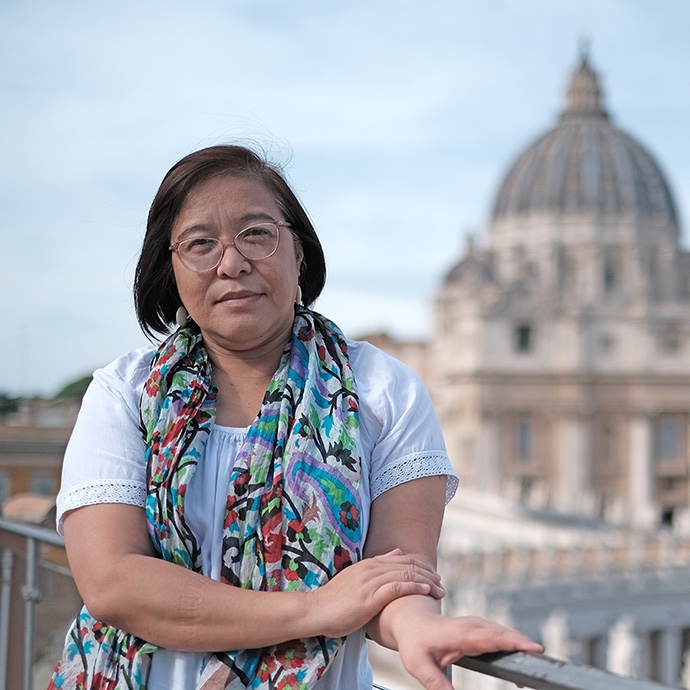
Estela Padilla
As a theologian, pastoral worker, advocate of Basic Ecclesial Communities (BECs) and Executive Secretary of the Office of Theological Concerns at the Federation of Asian Bishops’ Conferences (FABC), Estela Padilla was one of 54 women given voting rights for the first time in the Synod of Bishops.
What is Lived Catholicism?
Lived Catholicism is an emerging notion reflecting the move to the study of Lived Religion over the past 30 years. It encompasses a number of other terms, including everyday Catholicism, folk Catholicism and customary Catholicism; and pays heed to the ways that Catholicism is lived through empirical research, close listening, and as Robert Orsi writes, “attention to religious messiness”.
Our 2025 conference has the following aims:
- To apply the Lived Catholicism lens to the global synod project in order to explore the complexities of synodality across different contexts
- To continue to bring together scholars of lived Catholicism across a broad range of perspectives and disciplines.
- To promote the notion of ‘Lived Catholicism’ both within the academy and the wider Church, potentially through a formal network.
- By using a digital format, to enable a diverse group of people to access the conference, from all parts of the world.
Lived Catholicism 2025 is a project of the Centre for Catholic Studies at Durham University, and the Nanovic Institute of the University of Notre Dame.
Lived Catholicism is a project of the Centre for Catholic Studies at Durham University.
 Lived Catholicism